News – full story
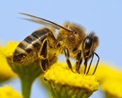
Neonicotinoids have been shown to reduce the amount of queens produced by bees
24/07/2015
UK overturns neonicotinoid ban
Ban temporarily lifted following farmers’ appeal
Richard Jansen-Parkes
THE UK has temporarily lifted a ban on controversial neonicotinoid pesticides, which have been linked to mass bee deaths, following an appeal from the National Farmers’ Union (NFU).
An EU-wide moratorium was imposed on the pesticides two years ago, in order to give researchers time to prove whether or not they were actually harming bee populations. However, the NFU submitted an emergency application to the government for permission to use neonicotinoids in England to protect the oilseed rape crop from flea beetles.
The union’s initial appeal was rejected, but the government has now announced that farmers will be allowed to use them on around 5% of the English crop over the course of 120 days. Farmers will be given access to pesticides produced by both Bayer and Syngenta, with discussions on how to distribute treated seeds already underway.
NFU vice president Guy Smith has welcomed the decision, but claims that it doesn’t go far enough.
“[The] flea beetle threat is widespread problem on a national scale and the extremely limited nature of this authorisation is unfortunately not going to help the vast majority of farmers in need of the protection,” he says.
“We will ensure that this approval is made the most of, both logistically and through the detailed monitoring of the crop for useful data.”
Neonicotinoids are used as seed coatings to deter soil pests during the early stage of crop growth. The chemicals spread through the plant as it grows, including to the pollen collected by bees. Peer-reviewed field studies have linked the pesticides to a range of effects on the insects, including higher mortality rates and a significantly reduced ability to produce queens.
Environmental campaigners have struck out against the government’s decision. Friends of the Earth campaigned Paul de Zylva says that it’s “scandalous” that the ban is being overturned, even temporarily.
“Ever more scientific evidence shows just how dangerous these chemicals are to bees and other pollinators – they should have no place in our fields and gardens,” he says.
